How Online Talent Platforms are Reshaping Independent Work
What It Means for Independent Talent and the Enterprises that Engage Them
As independent work becomes more mainstream, independent talent are increasingly using on online platforms to find work and build their pipeline. Enterprises also leverage those same platforms to access and engage with critical skills. This brief examines how platform adoption is reshaping the independent talent market and what it means for the people and companies that rely on them.
The Growth of Independents Providing Services to Businesses
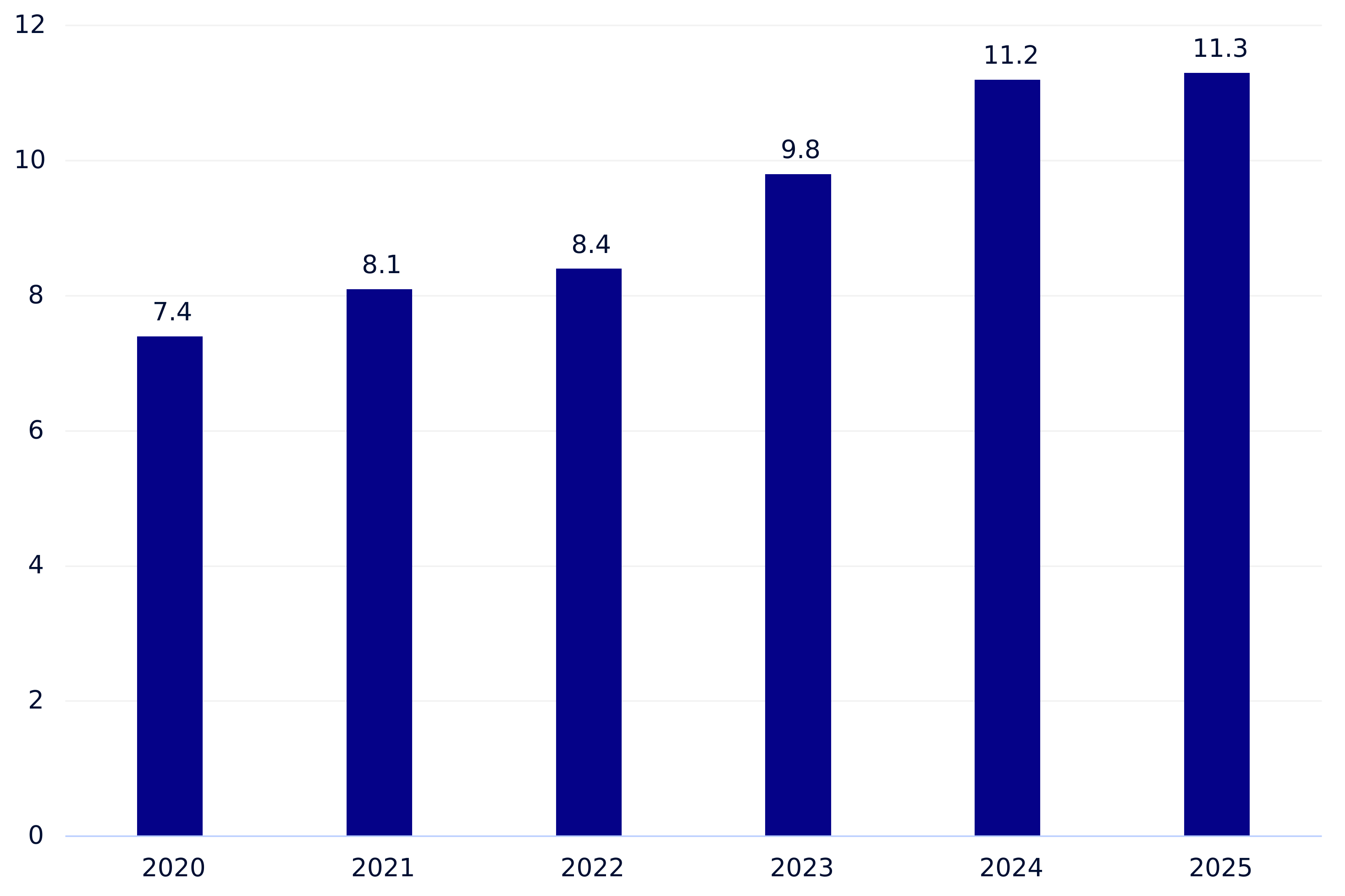
The 2025 MBO Partners State of Independence study identifies 11.5 million U.S. independent professional service providers who work with businesses. This group includes independent consultants, contractors, statement-of-work professionals, freelancers, and others who provide professional services to businesses on a contingent basis.
GATE
This segment has grown substantially over the 15-year history of the State of Independence study, with a 55% increase since 2020.
Number of Independent Professionals Providing Services to Businesses
(in millions)
Share of Independent Service Professionals Using Online Talent Marketplaces
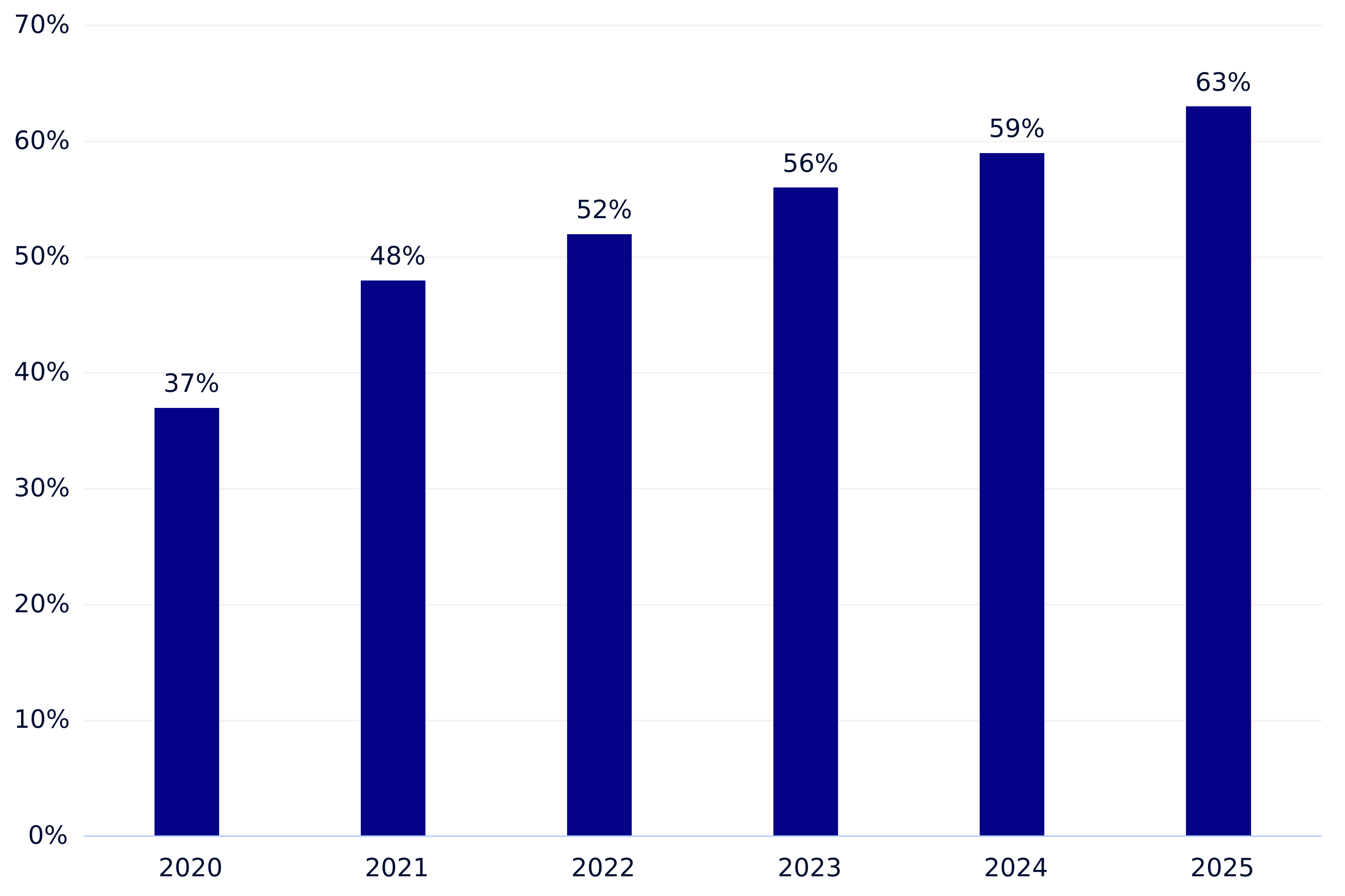
Growing Adoption of Online Talent Platforms
In 2025, almost two-thirds (63%) of independent service providers reported using online talent platforms, such as Upwork, Fiverr, Toptal, MBO's marketplace, and others. This is up from 59% in 2024 and just 37% in 2020.
Beyond growing adoption, independent service providers are increasingly relying on these platforms as an important source of work. In 2020, only 57% of platform users considered them either a primary or important source of business. By 2025, that number jumped to 78%.
Additionally, the average number of platforms used by independent service providers also increased, from 2.6 platforms in 2020 to 3.1 platforms in 2025. More than three-quarters (77%) of independent service providers using platforms now say these platforms are essential to their business.
Talent Marketplaces are Centralized and Easy to Use
The main driver behind this growth in usage is that online talent marketplaces have made it easier and more efficient for independent workers to connect with hiring organizations. This helps them to overcome a historical challenge: where to find project-based assignments. While full-time workers turn to career sites and job platforms to find permanent employment, independent contractors have not had a central location where they can find contract jobs or projects with specific brands with whom they want to work. Talent marketplaces now provide a way to find opportunities and to showcase their skills.
Talent Marketplaces Provide Value-Added Services
These platforms have improved to the point where they now provide a range of value-added services for independent workers, including lead generation, contract support, payment infrastructure, and global access to a large volume of potential clients and projects. Also, the growing number of specialized platforms targeting specific industry or skill segments provide more options for independent workers seeking work.
Many platforms also use matching algorithms to match skill sets with projects so that talent can more easily find projects based on skills and experience. Furthermore, bill rate negotiations and engagement requirements often take place right in the platforms, which makes finalizing details easier and more efficient, leading to decreased time-to-hire.
Hiring Managers Are Also Seeing Value
Enterprise and other hiring organizations are also increasing their use of online talent marketplaces as they too benefit from the services provided. These include access to larger talent pools, including highly specialized talent, as well as contractual, compliance, and payment systems.
All Platforms Are Not the Same
It's worth noting that while many online marketplaces exist, there are unique differences in how they operate. Some platforms such as Fiverr and Upwork cater to a wide range of talent with varying wage expectations─from early-career logo designers to experienced software developers and everything between. This may make it time-intensive for hiring managers to weed through large numbers of applications to find the right talent, at the right price, with the right skills and experience. Other platforms, such as MBO's marketplace, focus on highly skilled independent professionals, reflecting growing enterprise demand for specialized expertise.
When selecting a talent marketplace, hiring managers should also consider how easy it is to engage talent on the platform, whether the company offers seamless payment, and how the company manages compliance.
The combination of growing adoption of platforms by both independent workers and hiring organizations, and the greater reliance on them by independent workers for client connections, shows that talent platforms have become mission-critical infrastructure for how professional services get sourced and delivered.
The Rise of Private Talent Platforms
Private talent platforms are proprietary corporate platforms that connect a company's hiring managers with vetted independent contractors. They differ from their public counterparts (Upwork, Fiverr, etc.) in that they are branded, managed, and exclusive to the firm that operates them. One example of a branded marketplace is PwC's Talent Exchange. Some public talent marketplaces, such as MBO marketplace, allow companies to create branded marketplaces without creating their own infrastructure. This allows them to reap all the benefits without the cost of creating and maintaining their own technology and infrastructure.
Beyond the Marketplace Model
Some talent platforms are evolving beyond transactional matching toward more integrated workforce solutions. MBO's Independent Talent Network (ITN), for example, pairs marketplace access with engagement infrastructure such as compliance support, payment capabilities, and worker validation-reflecting a broader shift toward platform-enabled workforce management
Share of Independent Workers Using Private Talent Platforms
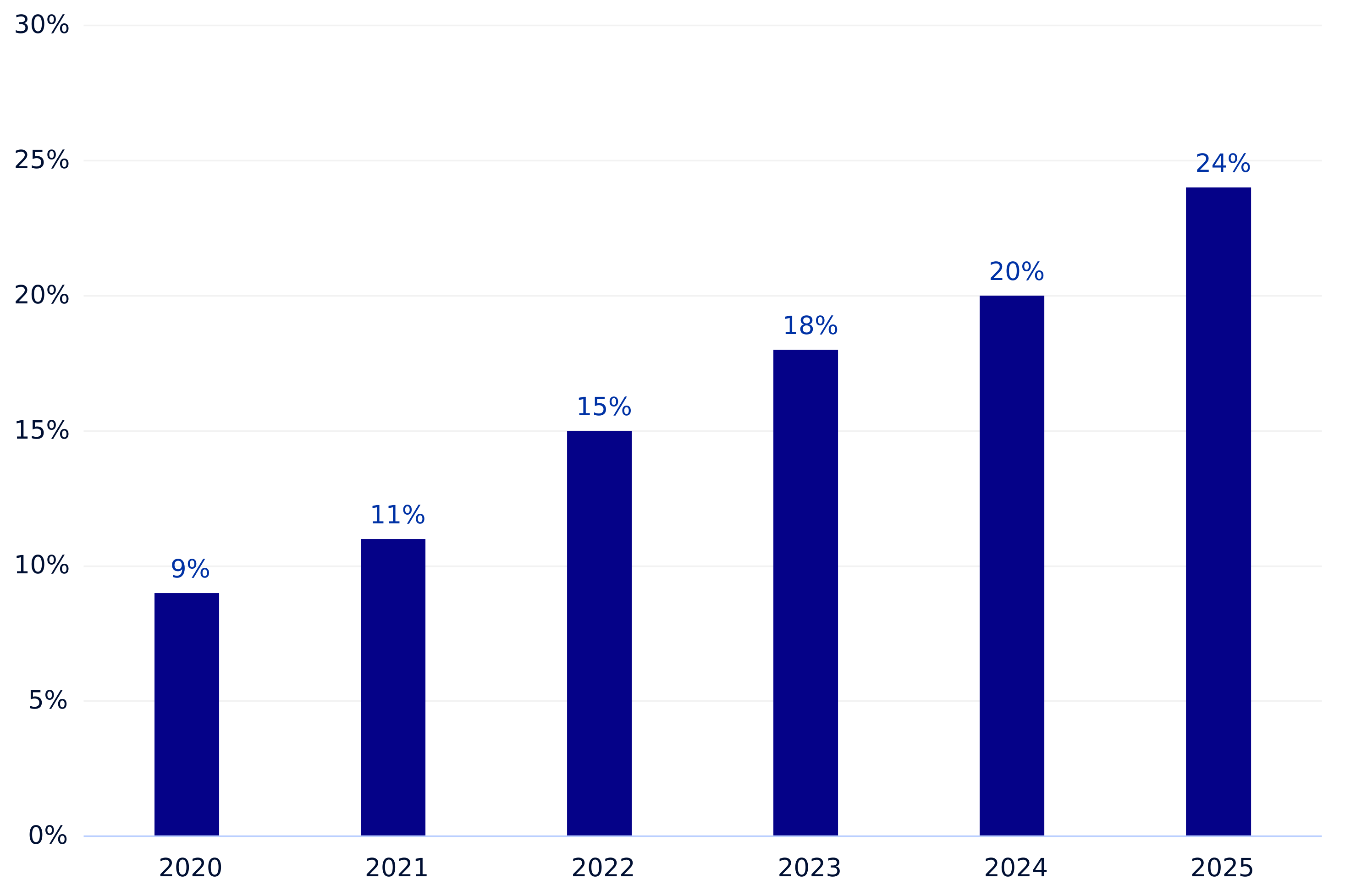
Private talent platform usage has increased substantially over the past five years. In 2020, only 9 percent of independents used private platforms. By 2025, the share had almost tripled to 24 percent. More tellingly, 6 percent now call private platforms their primary source of business, with another 14 percent saying they are an important source.
Benefits of Private Talent Platforms
Private talent platforms offer benefits for both independent service providers and the companies that use them. For independent service providers, private talent platforms provide convenient access to projects at specific enterprises and boost their visibility with that organization's hiring managers. Once hired, talent are also in a better position to be rehired for future projects. Another benefit is that a talent network offers a community-based talent experience, built to nurture strong relationships between talent and hiring managers through nurturing programs and outreach.
For enterprises, private talent networks provide quick and easy access to talent with specialized skills who are interested in working with their company. This
access enables managers to increase productivity and efficiency while keeping business momentum moving forward.
Furthermore, managers can nurture close relationships with talent in their network and rehire those they trust and who already know their brand, reducing onboarding and retraining time. Another benefit is cost savings. By sourcing talent directly, companies save on recruiting costs.
In essence, private talent platforms let companies and independent service providers treat each other as long-term partners rather than short-term transactions.
The Future of Online Talent Platforms
Several interconnected trends explain the growth of both public and private talent platforms, and why that growth will likely continue:
- The supply of skilled independent talent continues to expand. More professionals are choosing independence, drawn to the flexibility, autonomy, and control it provides. The 2025 MBO Partners State of Independence report documents this shift in detail, but the headline is clear: working independently is no longer alternative-it's become mainstream.
- Corporate demand for independent talent continues to grow. Companies need to increase their business flexibility and agility. They also need access to specialized skills-in AI, logistics, R&D, digital marketing, etc.-that are scarce, expensive, and hard to hire full-time. This has led more firms to increase their use of independent workers.
- The post-pandemic shifts to remote and project-based work have normalized the hiring of independent service professionals, overcoming cultural barriers associated with hiring non-employee labor.
- Online talent platforms continue to improve. Better matching algorithms, clearer rating systems, and streamlined contracting are making talent platforms more efficient and more attractive to both independent professionals and employers.
- As enterprises increase their use of independent talent, curated and private talent networks are likely to play a larger role in workforce strategy.
Talent Marketplaces are Now Essential to Talent and Enterprises
The growing adoption of online talent platforms reflects a fundamental shift in how independent work is sourced and sustained. What began as a convenient channel has evolved into essential infrastructure for how independent professionals find opportunities and how enterprises access vetted talent who have critical skills with speed and flexibility.
As platform use expands, enterprises are increasingly moving beyond one-off transactions toward more durable, platform-enabled relationships with independent talent. Together, these trends point to a future in which online talent platforms play a central role in connecting skilled professionals with the organizations that rely on them.
Want to continue reading?
Fill out the form below.